

Blog
Aquamarine the March Birthstone: History, Meaning, and Jewellery Gift Ideas

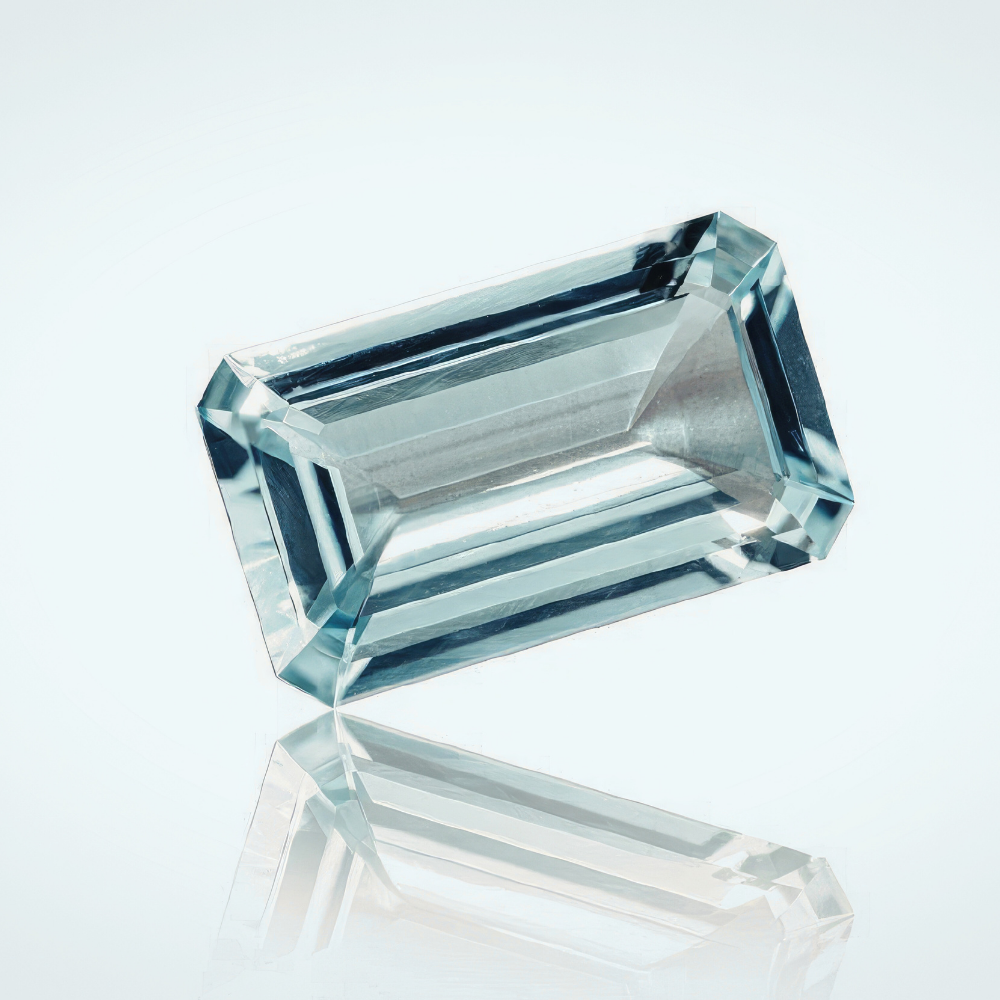
Aquamarine is the March birthstone, a blue variety of the mineral beryl known for its clarity, durability, and association with the sea. The name comes from the Latin words aqua marina, meaning “water of the sea,” a fitting description for a gemstone whose colour often resembles calm ocean water.
Aquamarine belongs to the beryl family of minerals, the same group that includes emerald and morganite. Because of its clarity, durability, and soft blue colour, it has been used in jewellery for centuries.
Aquamarine is also appreciated for its understated colour. Unlike darker blue gemstones, aquamarine has a light, airy tone that works beautifully in many styles of jewellery. This versatility is one reason it has remained popular for centuries and continues to be chosen for both modern and vintage inspired designs.
Today, aquamarine remains a popular choice for March birthstone jewellery, especially rings, pendants, and earrings that highlight the stone’s clean, transparent beauty.
What Is Aquamarine?
Aquamarine is a variety of the mineral beryl, coloured blue by traces of iron within the crystal structure.
Some key characteristics of aquamarine include:
-
Colour: pale blue to deeper blue-green
-
Hardness: 7.5–8 on the Mohs scale
-
Clarity: typically very clean with few visible inclusions
-
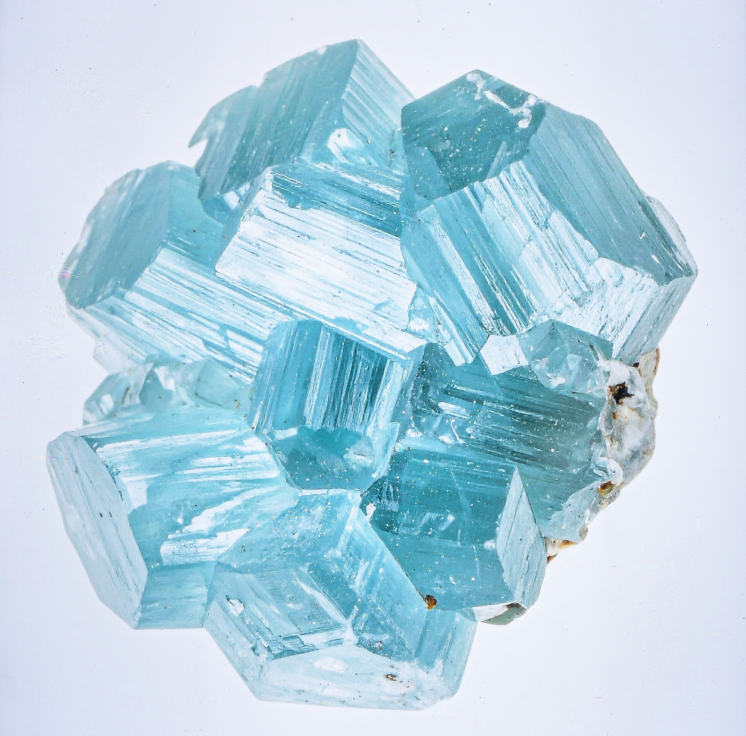
Crystal structure: hexagonal
Because aquamarine is relatively hard and usually free of visible inclusions, it is well suited for many types of jewellery. The best types of jewellery for aquamarine are pendants and earrings. If you’d like an aquamarine ring, it’s often best worn as a special occasion ring rather than an everyday ring.
One of the qualities gem cutters appreciate most about aquamarine is its clarity. Many aquamarine crystals form with very few internal inclusions, allowing cutters to produce larger stones that appear exceptionally transparent. This clarity is part of what gives aquamarine its crisp, watery appearance.
History and Symbolism of Aquamarine
Aquamarine has a long history and has been associated with the sea for thousands of years.
In ancient times, sailors believed aquamarine protected them during voyages. Some carried the gemstone as a talisman for safe travel across rough waters. Roman writers also described aquamarine as a stone that could calm waves and protect those at sea.
Over time, aquamarine became associated with qualities such as:
-
calmness and clarity
-
harmony and balance
-
protection during travel
-
clear communication
During the Middle Ages, aquamarine was sometimes believed to help settle disputes and encourage clear communication. Because of this association, the gemstone was occasionally used in decorative objects or jewellery intended to symbolize honesty and harmony.
While these symbolic meanings vary across cultures, the gemstone’s cool blue colour has long been connected with tranquility and clear water.
Where Aquamarine Is Found
Aquamarine is mined in several parts of the world, with some regions producing particularly well-known material.
Major sources include:
-
Brazil – historically the most famous source
-
Pakistan – known for large crystals from high-altitude mines
-
Nigeria
-
Mozambique
-
Madagascar
Brazil has produced some of the largest aquamarine crystals ever discovered, sometimes weighing hundreds of kilograms before cutting.
Aquamarine crystals form in pegmatite deposits, which are coarse-grained igneous rocks that can produce unusually large mineral crystals. Because of these geological conditions, aquamarine is sometimes found in very large crystals compared to many other gemstones.
Aquamarine Colours and Quality
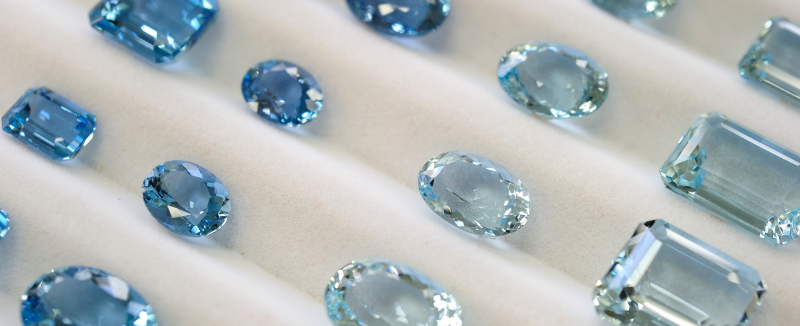
The colour of aquamarine can vary from very light blue to deeper blue or slightly greenish blue.
In general:
-
Paler stones often appear bright and very clear
-
Deeper blue stones tend to be more valuable
-
Many aquamarines on the market are heat treated to remove green tones and enhance the blue colour
Aquamarine is also known for its excellent clarity. Unlike emerald, which often contains visible inclusions, aquamarine crystals frequently appear very clean even in larger sizes.
Because of this clarity, gem cutters often use step cuts, emerald cuts, and oval cuts that emphasize the stone’s transparency and colour.
Well cut aquamarines are valued for their brightness and even colour distribution. Because lighter stones can sometimes appear washed out, careful cutting helps concentrate the colour and maximize the gemstone’s sparkle.
Aquamarine in Jewellery
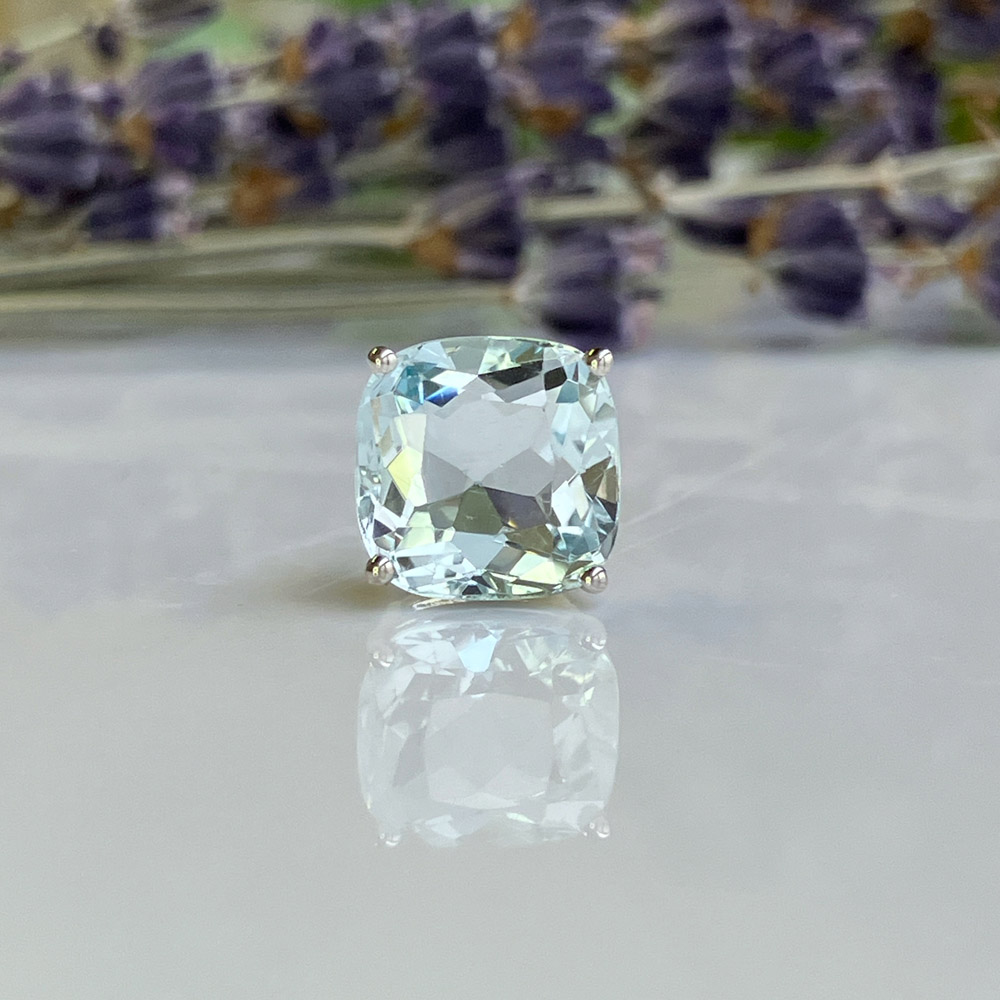
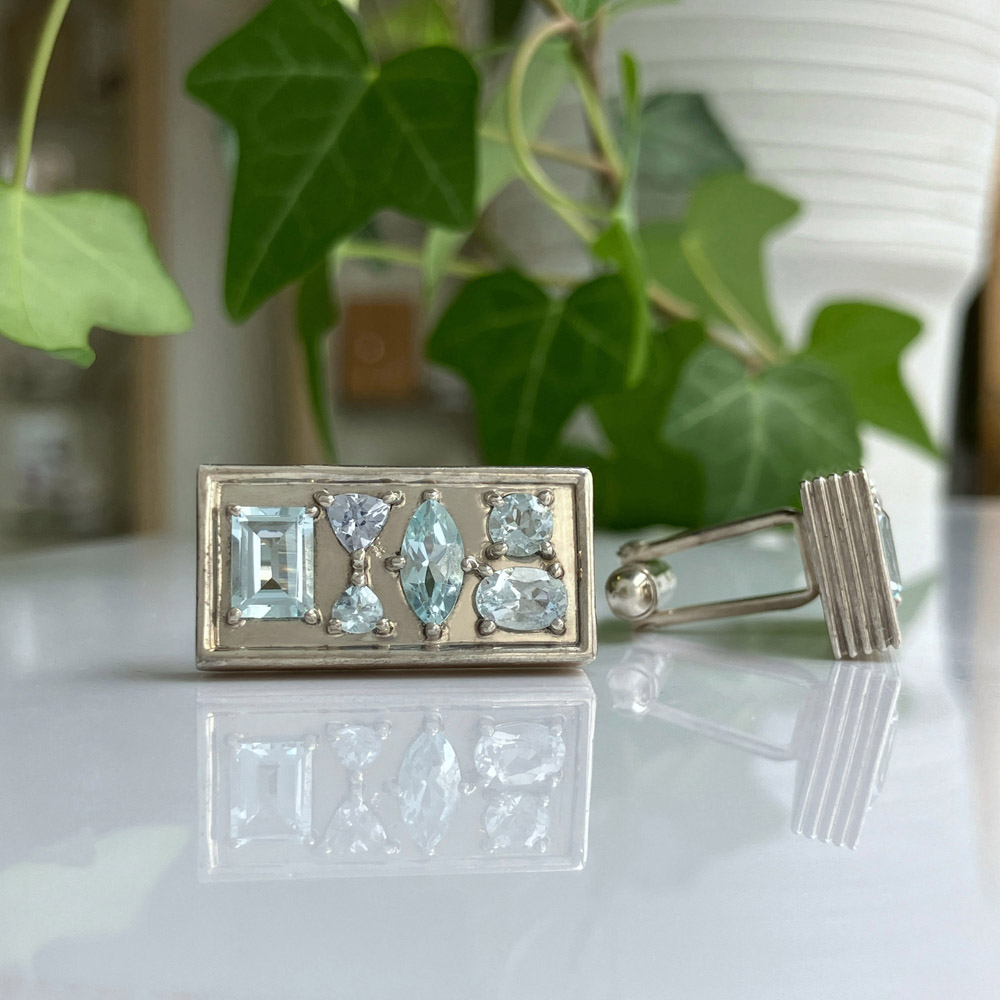
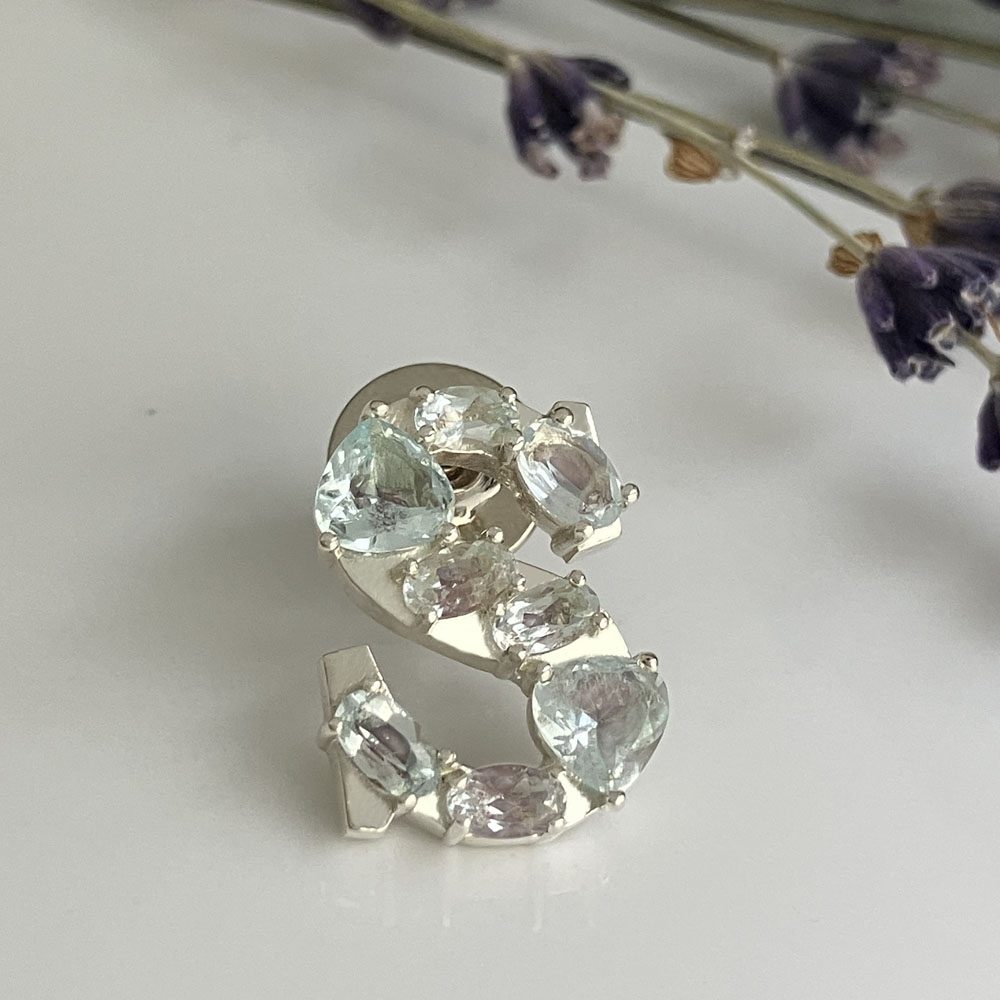
Aquamarine’s combination of durability and clarity makes it a versatile gemstone for jewellery.
Common pieces include:
Aquamarine rings
Often set in yellow or white gold, aquamarine rings can range from delicate solitaire styles to larger statement stones. Best as special occasion rings rather than everyday rings.
Aquamarine pendants
Because aquamarine crystals can be cut quite large, pendants are a popular way to showcase the stone’s colour.
Aquamarine earrings
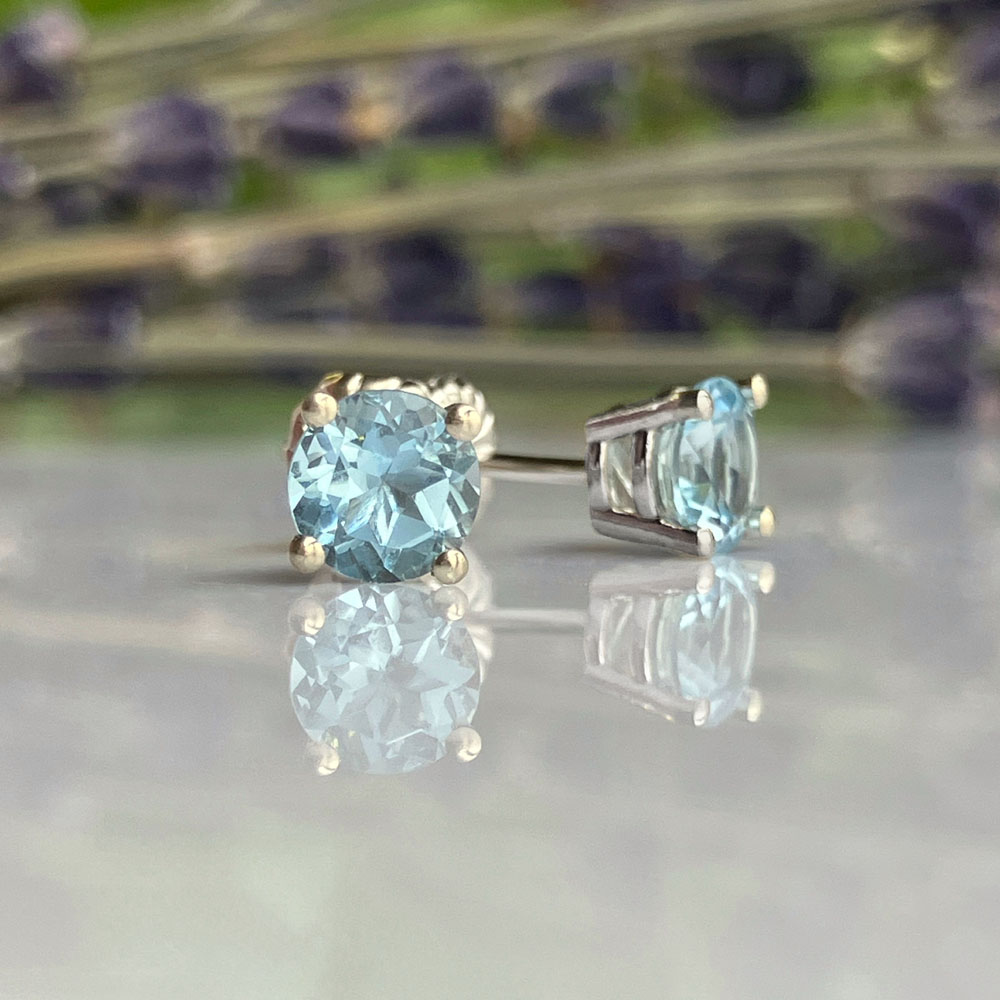
Studs or drop earrings highlight the gemstone’s brightness and light blue tone.
At our jewellery studio in Toronto, aquamarine is sometimes chosen not only as a March birthstone, but just because it’s so beautiful.
Aquamarine also pairs beautifully with diamonds or other light coloured gemstones. The cool blue tone of aquamarine can create a soft contrast with the brilliance of diamonds, which is why it is sometimes used in anniversary jewellery as well.



Why Aquamarine Makes a Meaningful March Birthstone Gift
For people born in March, aquamarine jewellery can be a thoughtful and personal gift.
Some reasons aquamarine jewellery works well as a birthday gift include:
-
it’s more meaningful because of the symbolism of aquamarine being the March birthstone
-
a precious piece of jewellery is something people have for a lifetime
-
classic pieces such as pendants or earrings can easily be worn everyday
-
it’s really pretty
Because aquamarine crystals often grow quite large, it is also possible to find beautiful stones in larger sizes without the extreme cost of some other gemstones.
For many people, birthstone jewellery carries a personal meaning that goes beyond the gemstone itself. Aquamarine jewellery given for a March birthday can become a keepsake that marks a moment in time or celebrates an important relationship.
Frequently Asked Questions About Aquamarine
What is the March birthstone?
Aquamarine is the traditional birthstone for March. It is a blue variety of the mineral beryl and has been associated with the month of March for centuries. Its cool blue colour and clarity make it a popular choice for birthstone jewellery.
What gives aquamarine its blue colour?
Aquamarine’s blue colour is caused by trace amounts of iron within the crystal structure of beryl. Variations in the amount and oxidation state of iron can produce shades ranging from pale blue to deeper blue or slightly greenish tones.
Where are aquamarine gemstones found?
Aquamarine is mined in several regions around the world. Some of the most important sources include Brazil, Pakistan, Nigeria, Mozambique, and Madagascar. Brazil has historically produced some of the largest aquamarine crystals ever discovered.
What is the largest aquamarine gemstone?
One of the most famous aquamarines is the Dom Pedro Aquamarine, a large carved gemstone now displayed at the Smithsonian Institution in Washington, DC. It was cut from an enormous Brazilian aquamarine crystal and weighs over 10,000 carats.
Aquamarine Jewellery in Toronto
Aquamarine continues to be a popular choice for people looking for March birthstone jewellery in Toronto, especially for rings and pendants that highlight the gemstone’s clear blue colour.
Because aquamarine is available in a wide range of sizes and shades, it can work well in both simple designs and custom jewellery pieces.
You can explore more about our process for creating custom pieces on our custom jewellery process page.
If you’re thinking of making some aquamarine custom jewellery, we’d love to help. You can start by requesting a quote. We’re looking forward to working with you!
